
Genuss
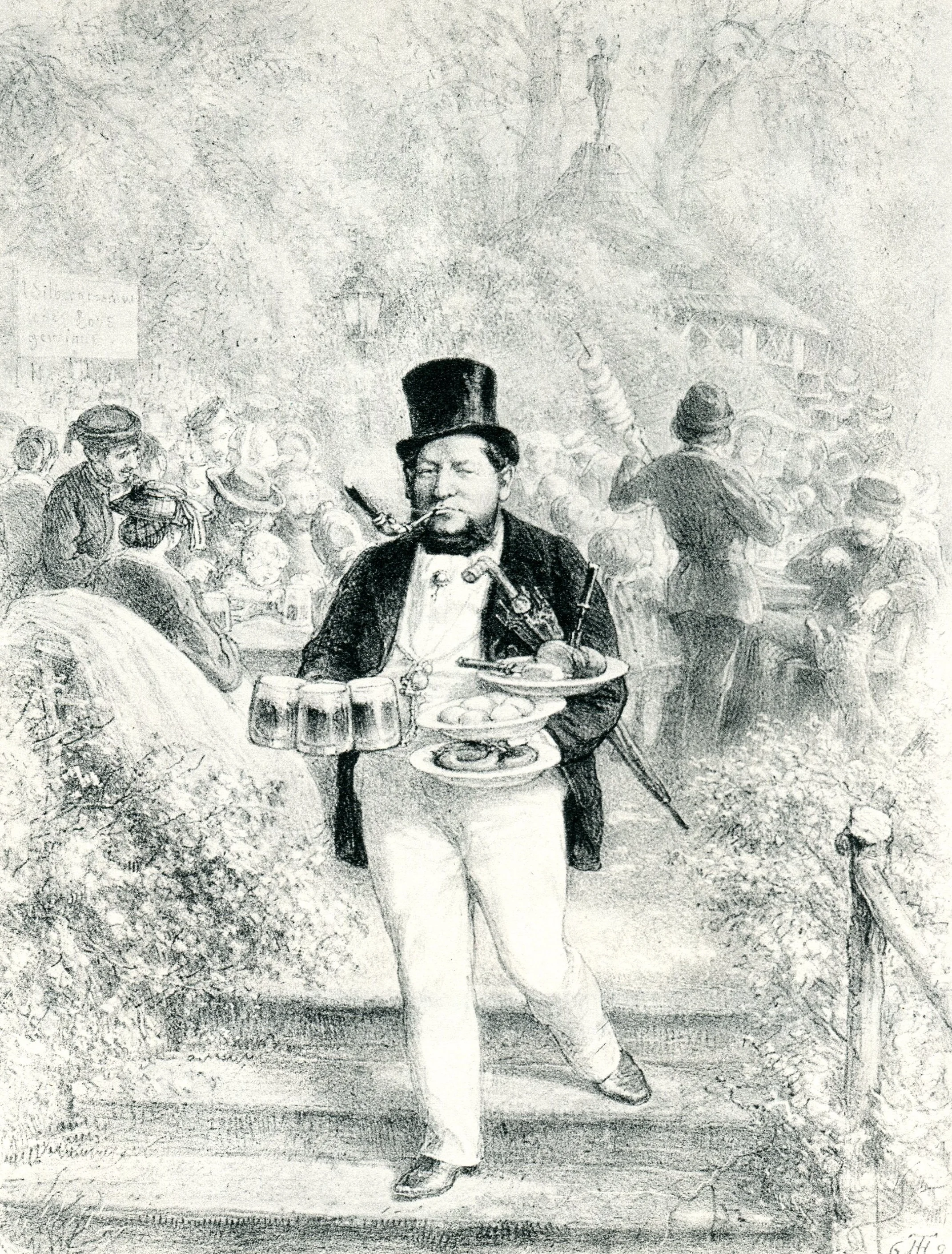
Image from Wikipedia
Image from Wikipedia
Enjoyment: The Art of Experiencing Between Sensuality, Culture, and Music
When Perception Becomes Pleasure: Enjoyment as a Cultural Phenomenon
Enjoyment refers to a positive sensory perception associated with physical and/or mental well-being. The term extends far beyond food and drink, also encompassing the listening to music, reading, touch, or other forms of intense perception. Particularly in cultural history, enjoyment emerges as a key term for quality of life, dedication, and conscious experience. ([de.wikipedia.org](https://de.wikipedia.org/wiki/Musikjahr_2025?utm_source=openai))
The Wikipedia text describes enjoyment as subjective and individually varied. What is fulfilling for one person may remain neutral or even off-putting for another. This very tension makes the term interesting for music lovers, gourmets, and cultural critics: enjoyment is never just consumption, but always also an attitude, attention, and aesthetic openness. ([de.wikipedia.org](https://de.wikipedia.org/wiki/Musikjahr_2025?utm_source=openai))
Historical Development of the Concept and Cultural Context
Enjoyment is closely linked to cultural and social differences. The Wikipedia text identifies culinary pleasures as the most common area of application but explicitly refers to intellectual pleasures such as music and literature as well. This makes the term a cultural intersection where everyday life, art, and lifestyle meet. ([de.wikipedia.org](https://de.wikipedia.org/wiki/Musikjahr_2025?utm_source=openai))
As a philosophical reference point, Epicurus is significant, who shaped a doctrine of pleasure-filled living through Epicureanism. In this view, enjoyment does not stand for excess but for conscious living, the right measure, and the ability to recognize the pleasant. The contrast to asceticism highlights how much enjoyment is also a question of attitude towards life. ([de.wikipedia.org](https://de.wikipedia.org/wiki/Musikjahr_2025?utm_source=openai))
Enjoyment and Music: Listening as an Aesthetic Experience
In the musical context, enjoyment becomes particularly evident. A good arrangement, a warm production, a strong stage presence, or a precise composition can turn a song into a lasting experience. Music is then not just heard but perceived, felt, and remembered with all the senses. ([de.wikipedia.org](https://de.wikipedia.org/wiki/Musikjahr_2025?utm_source=openai))
This term fits excellently in music criticism because it describes the emotional side of sound, dynamics, and atmosphere. Enjoyment arises where sound does not merely inform but touches. This can lie in the quiet intimacy of an acoustic piece just as much as in the powerful energy of a live concert. ([de.wikipedia.org](https://de.wikipedia.org/wiki/Musikjahr_2025?utm_source=openai))
Culinary, Intellectual, and Physical Forms of Enjoyment
The Wikipedia text distinguishes between culinary, intellectual, and physical pleasures. Culinary pleasures include food and drinks, intellectual pleasures consist of music and literature, while physical pleasures encompass touch, massage, or sexuality. This tripartite division shows how broadly the term is culturally relevant. ([de.wikipedia.org](https://de.wikipedia.org/wiki/Musikjahr_2025?utm_source=openai))
Particularly interesting is the role of indulgent products such as coffee, tea, chocolate, cocoa, tobacco, and alcoholic beverages. Here, sensory perception merges with social ritual and cultural coding. Thus, enjoyment is not only individual but also shaped historically and socially. ([de.wikipedia.org](https://de.wikipedia.org/wiki/Musikjahr_2025?utm_source=openai))
The Capacity for Enjoyment, Dedication, and the Opposite of Asceticism
According to the text, enjoyment presupposes the capacity for enjoyment and dedication. This points to an active form of experiencing: those who enjoy do not just receive but consciously engage. This attitude is as crucial in music as it is in cooking or in art appreciation. ([de.wikipedia.org](https://de.wikipedia.org/wiki/Musikjahr_2025?utm_source=openai))
Enjoyment is opposed by asceticism, which is conscious abstinence. Between these two poles unfolds a cultural tension field that still shapes how people perceive food, drink, leisure, and art. Enjoyment is not coincidental but an expression of choice and priorities. ([de.wikipedia.org](https://de.wikipedia.org/wiki/Musikjahr_2025?utm_source=openai))
How Enjoyment Becomes Visible in Language and Perception
The text makes it clear that enjoyment is subjectively experienced but can still be observed in cultural and social patterns. This is also evident linguistically: what tastes bland or does not touch is described as dull, neutral, or inedible. Enjoyment thus marks the boundary between intensity and emptiness, between experience and rejection. ([de.wikipedia.org](https://de.wikipedia.org/wiki/Musikjahr_2025?utm_source=openai))
For this reason, the term is so well suited to music journalism and cultural criticism. It describes not only quality but also resonance. An album, concert, or soundscape becomes enjoyment when technique, emotion, and context intertwine. ([de.wikipedia.org](https://de.wikipedia.org/wiki/Musikjahr_2025?utm_source=openai))
Discography and Current Releases
The Wikipedia text does not present a classical artist biography but rather a general article on the concept. Therefore, there is no discography in the musical sense. Current albums, singles, tours, or collaborations cannot be substantiated based on the materials. ([de.wikipedia.org](https://de.wikipedia.org/wiki/Musikjahr_2025?utm_source=openai))
The web search yielded individual music results with similar name components, but there is no clearly verified artist by the name "Genuss" who possesses official, identifiable profiles or a reliable discography. Therefore, any attribution to a specific musician would be speculative and unreliable. ([open.spotify.com](https://open.spotify.com/artist/3ehBmaqx8GYmXmbfkASknS?utm_source=openai))
Cultural Influence and Relevance Today
Enjoyment remains a central cultural term because it connects everyday experience with aesthetic evaluation. In the context of music, the term reminds us that listening is always more than mere consumption: it is a physical, mental, and often social act. This is precisely where its enduring relevance lies. ([de.wikipedia.org](https://de.wikipedia.org/wiki/Musikjahr_2025?utm_source=openai))
Epicurus' idea of a pleasurable life receives a modern interpretation here. Enjoyment is not superficiality but conscious presence. Whether in gastronomy, reading, or listening to an album: enjoyment describes a deep agreement with a moment that is felt to be particularly valuable. ([de.wikipedia.org](https://de.wikipedia.org/wiki/Musikjahr_2025?utm_source=openai))
Conclusion: Why Enjoyment Fascinates
Enjoyment is compelling because it encapsulates science, philosophy, everyday life, and art in a single word. The term explains why certain sensory impressions linger while others fade. Those who understand enjoyment also understand how culture impacts emotions and why music, food, and language often strike the same chord. ([de.wikipedia.org](https://de.wikipedia.org/wiki/Musikjahr_2025?utm_source=openai))
For music lovers, enjoyment remains an invitation: to listen more closely, to experience more consciously, and to take the moment seriously. Those who engage in this form of perception discover a special depth in sound, texture, and atmosphere. This is precisely where the art of enjoyment lies – and the allure of experiencing it live and directly over and over again. ([de.wikipedia.org](https://de.wikipedia.org/wiki/Musikjahr_2025?utm_source=openai))
Official Channels of Genuss:
- Instagram: No official profile found
- Facebook: No official profile found
- YouTube: No official profile found
- Spotify: No official profile found
- TikTok: No official profile found