
Wolf-Dieter Storl
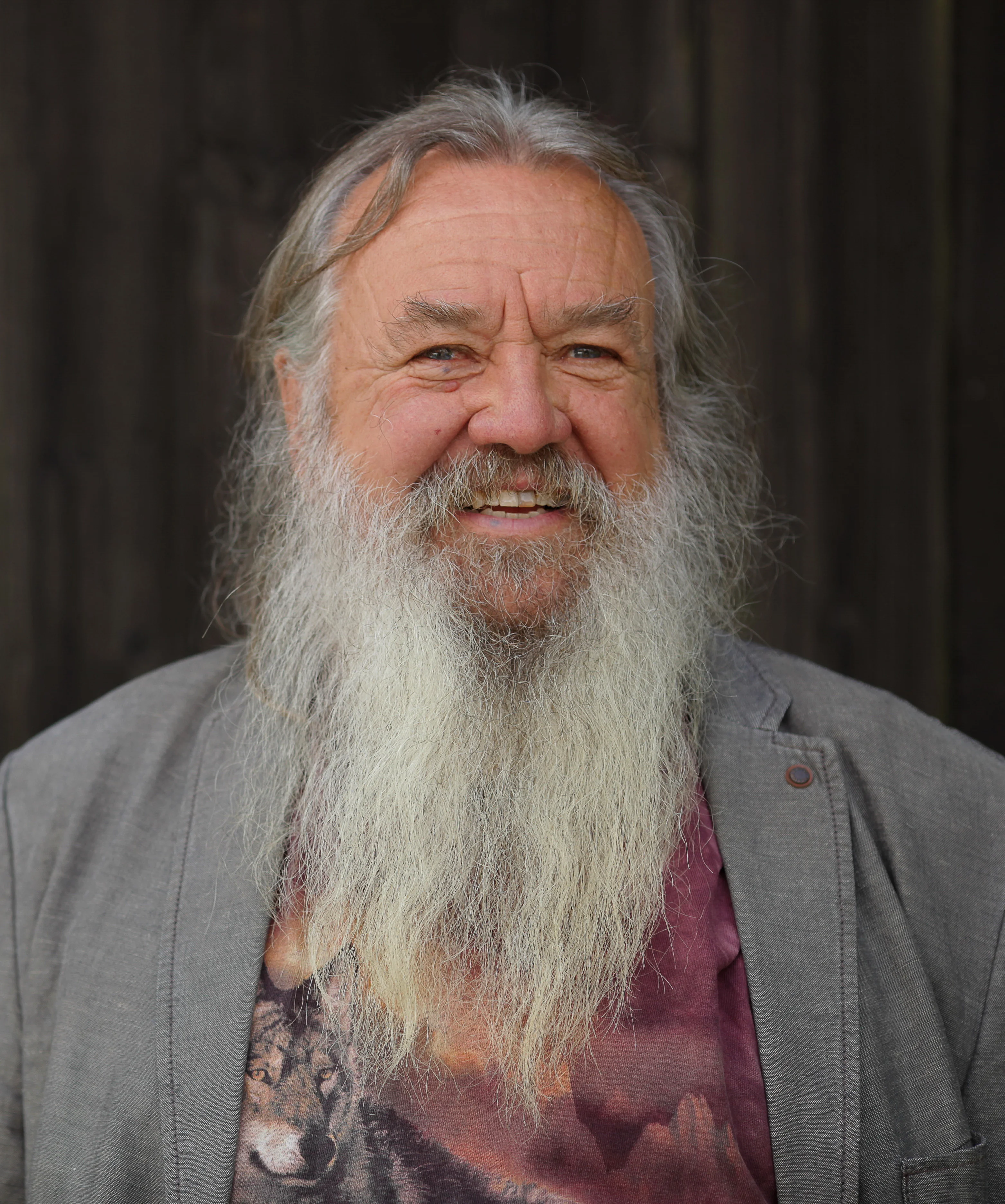
Image from Wikipedia
Image from Wikipedia
Wolf-Dieter Storl – the Nature Thinker between Ethnobotany, Myth and Cultural Memory
A Life in Dialogue with Forests, Plants and World Cultures
Wolf-Dieter Storl, born on October 1, 1942, in Crimmitschau, is one of the most articulate voices in the German-speaking border area of cultural anthropology, ethnobotany, and popular nature philosophy. His journey spans from Saxony to the USA and into the Allgäu mountains, where he currently lives and writes. In his work, he combines nature observation, spirituality, mythology, and customs into a unique, highly narrative form of cultural-historical knowledge transfer. (de.wikipedia.org)
Storl describes himself as someone who grew up in the woods of Ohio, studied at several universities, and taught at various colleges. This biographical breadth continues to shape his work: he writes not from the distance of a pure theoretician but from a longstanding engagement with ways of life, landscapes, and systems of knowledge. His focus is on medicinal plants, edible wild herbs, forest culture, self-sufficiency, and the symbolic significance of plants in indigenous and European traditions. (storl.de)
Biographical Roots: Between Saxony, America, and University Anthropology
The early migration of his family to the USA profoundly influenced Storl's view of nature and society. After moving to Ohio, he developed a growing interest in botany and the worldviews of indigenous peoples, eventually transitioning from botany to anthropology and graduating with a Bachelor’s degree in anthropology from Ohio State University in 1966. He subsequently served as an assistant in cultural anthropology and later as a lecturer in the USA and Europe. (de.wikipedia.org)
Field research became particularly important to him: in the traditional Spiritualist community he studied for his Master’s thesis, he gathered experiences that influenced his later thinking about ritual, symbolism, and healing knowledge. His stays and teaching positions in Vienna, Bern, Benares, and other locations also form part of his academic and practical life background. From this blend of research, teaching, and direct life practice emerged a body of work that consistently intertwines science, experience, and cultural interpretation. (de.wikipedia.org)
The Breakthrough as an Author and Communicator of Plant Knowledge
Storl's public reputation is primarily based on his books, audiobooks, films, seminars, and lectures. On his official website, he mentions more than 30 German-language titles covering topics such as nature rituals, plant devas, medicinal herbs, shamanism, primal medicine, forest knowledge, and self-sufficiency. His publications, as he describes, are produced in the tranquility of winter and are inspired by the Allgäu landscape, gardening, and woodworking. (storl.de)
His approach is deliberately cross-cultural: Storl refers to experiences with medicine people of the Cheyenne, Shiva-sadhus in India, shamans in the Himalayas, as well as farmers and forest peoples of Europe. This interconnection of field research, biography, and myth narration gives his oeuvre a distinctive voice. He conveys ethnobotany not as a dry subject but as a vibrant cultural practice in which plants appear as carriers of memory, healing knowledge, and spiritual significance. (storl.de)
Current Projects: Books, Online Courses, and Events
Current projects on his website include the Garden Calendar 2027, new online courses such as “The Wisdom of Trees,” and digital lectures on plants, mythology, and seasonal festivals. A live lecture in Memmingen is also scheduled for October 2026, addressing medicinal plants, cultures, and myths as an introduction to ethnobotany. These activities demonstrate that Storl remains not only an author but also an active communicator of his thematic cosmos. (storl.de)
His work is also present in the publishing landscape: the official page mentions current and new projects like “The Magic of the Solstices,” “Dance of Deception,” and “Witch Medicine.” Additionally, there are digital formats, podcasts, and educational offerings through the Storl Academy, which transform his knowledge into contemporary learning and media forms. This combination of traditional book author, lecture culture, and digital knowledge transfer makes his current presence particularly striking. (storl.de)
Discography? No: a Literary Work with Audiobook and Film Culture
As Wolf-Dieter Storl is not a musician, there is no discography in the strict sense. However, for an author-related cultural site, his extensive publication and media work counts: books, audiobooks, DVDs, lectures, and online courses form a dense body of work. On his website, titles such as “Nature Rituals,” “Plant Devas,” “Medicinal Herbs and Magic Plants Between Doorstep and Garden Gate,” “Witch Medicine,” “Shiva,” and “Wandering Plants” are listed. (storl.de)
These publications showcase a clear thematic axis. Storl operates at the intersections of ethnobotany, mythology, herbal medicine, and cultural history. His media formats are often didactically structured and yet compactly narrative, intertwining professional information and personal life story. This is exactly what defines his journalistic profile. (storl.de)
Style and Mindset: Nature as a Cultural Cosmos
Storl’s style is characterized by a blend of scientific terminology, vivid storytelling, and spiritual interpretation. Plants appear to him not just as biological objects, but as culturally, linguistically, and therapeutically charged beings. This perspective permeates his website, his lectures, and his books, making his work attractive to readers who wish to understand natural knowledge in relation to customs, rituals, and identity. (storl.de)
The tone of his texts is approachable and yet ideologically pointed. He writes about forests, medicinal plants, and wild herbs, about seasons, holidays, and the way of life of indigenous peoples with a clear tendency towards meaning-making. This creates recognition and authority simultaneously: Storl is less a detached factual author than a culturally critical storyteller who guides his readers into a larger context of humanity, landscape, and memory. (storl.de)
Cultural Influence, Reception, and Debate
In 2013, Storl received an award for his life’s work as an ethnobotanist and cultural anthropologist from the Schwarzwälder Boten. At the same time, his name has also been mentioned in the context of critical debates due to his positions in interviews and public controversies. This ambivalence is part of his public perception: he is an author with a strong following but also a figure about whom there is controversial discussion. (de.wikipedia.org)
Especially for readers interested in alternative forms of knowledge, customs, medicinal plants, and the cultural interpretation of nature, his work remains significant. The resonance on his official pages shows that his topics are still relevant: self-sufficiency, forest knowledge, seasonal rituals, and plant studies appeal to an audience looking for orientation beyond purely technical mastery of nature. In this tension between knowledge transfer and world interpretation lies his enduring impact. (storl.de)
Conclusion: Why Wolf-Dieter Storl Continues to Fascinate
Wolf-Dieter Storl fascinates because he describes nature not as a backdrop but as a cultural space for experience. His biography, field research, and extensive journalistic work combine to create a distinctive voice in the German-speaking cultural and natural discourse. Those interested in ethnobotany, plant knowledge, mythology, and the living language of the forest will find here an exceptionally dense, personal, and inspiring perspective. (storl.de)
His lectures and online formats show that this voice remains vibrant. Anyone wanting to experience Wolf-Dieter Storl should keep an eye on his current events, courses, and publications and seize the opportunity to hear him live. It is particularly on stage that his blend of knowledge, storytelling power, and spiritual depth reveals its special impact. (storl.de)
Official Channels of Wolf-Dieter Storl:
- Instagram: https://www.instagram.com/wdstorl/
- Facebook: https://www.facebook.com/storl
- YouTube: https://www.youtube.com/playlist?list=PLEEi5LIXd26PpmBMw5-FHhsqW9-Czgl9O
- Spotify: https://open.spotify.com/intl-de/artist/0ySBNyFIQLdMxFU3kr58gV
- TikTok: No official profile found